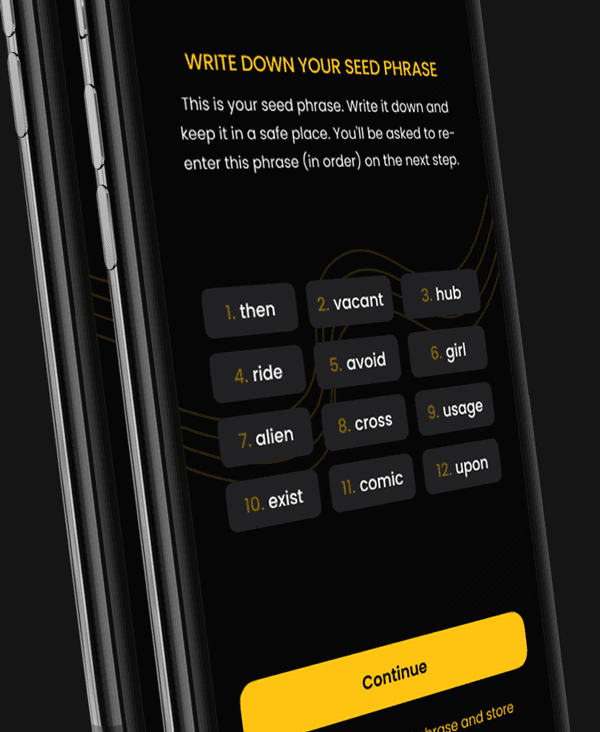
Ambra wallet
Ambra is a trustless, self-custodial and open-source wallet for your Bitcoin and tokenized assets on Sequentia.
Ambra
Sequentia is a Bitcoin sidechain for asset tokenization and disintermediated exchanges. Stablecoins, stock tokens and any other asset issued on it swap peer to peer for BTC, on Bitcoin and over the Lightning Network, atomically and in real time.

for faster and safer cross-chain P2P swaps with mainchain BTC

instant trades of assets on Sequentia with real, self-custodied BTC

use any asset on Sequentia to pay for transaction fees
The public testnet runs at sequentiatestnet.com, anchored to Bitcoin testnet4. Coins and assets on it have no value. Sequentia's mainnet is not running yet.
Ambra is a trustless, self-custodial and open-source wallet for your Bitcoin and tokenized assets on Sequentia.
Ambra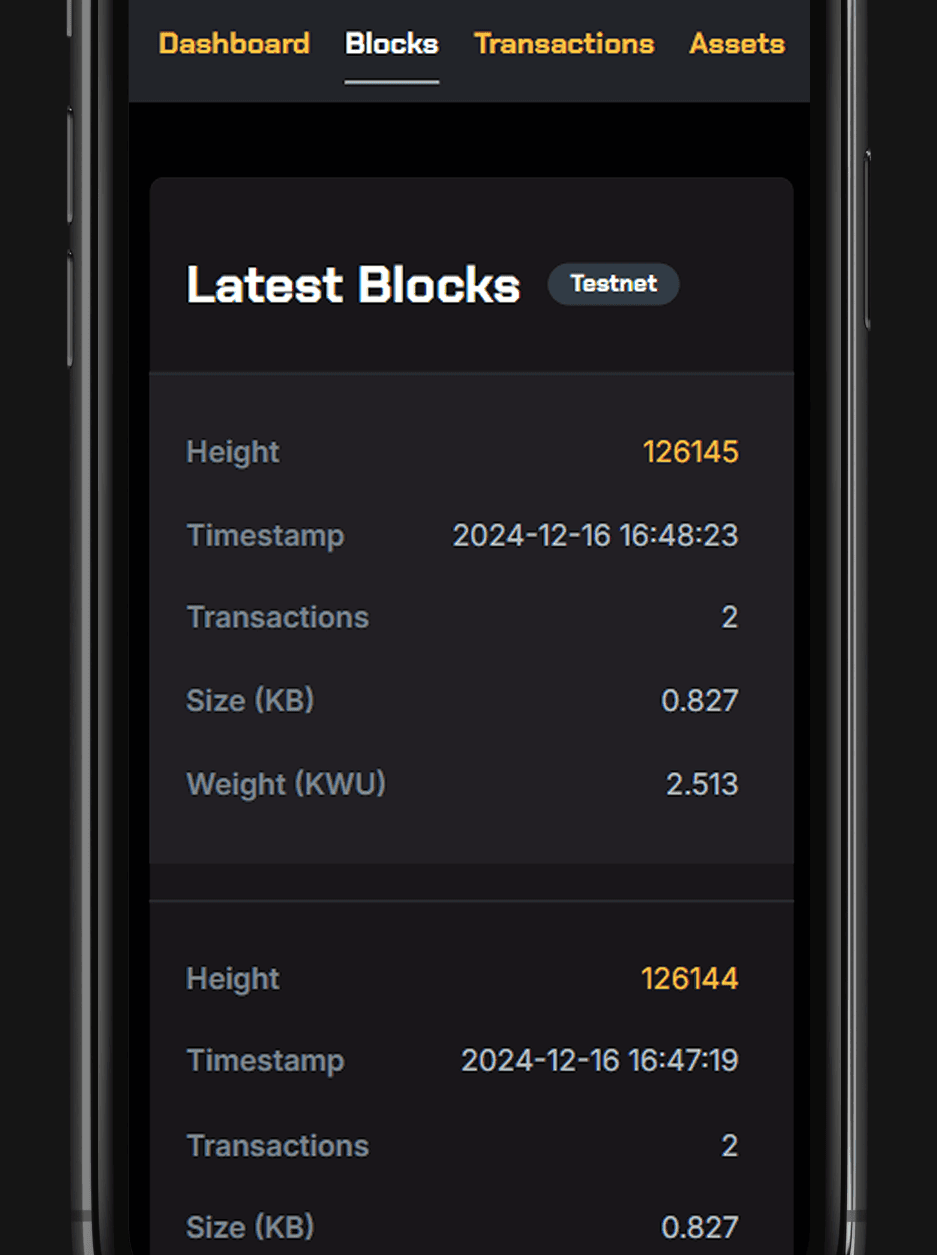
A dedicated web tool to visually examine Sequentia's blockchain data and cross-check transactions.
Explorer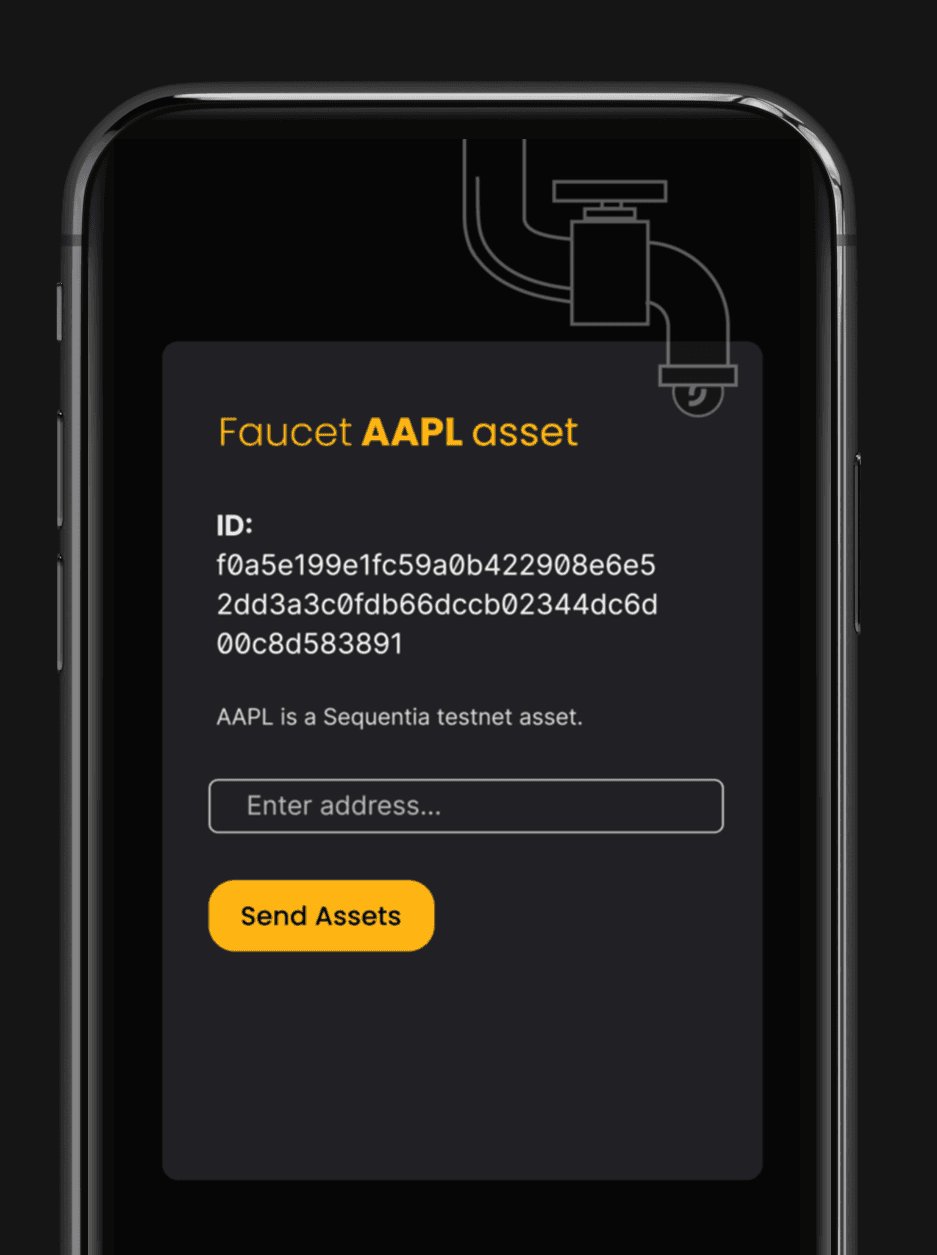
More of the Sequentia ecosystem is already live on the testnet, and more is unveiled over time at sequentiatestnet.com.
TestnetSequentia is a Bitcoin sidechain for asset tokenization and disintermediated exchanges. Anyone can issue an asset on it, such as a stablecoin or a stock token, and trade it peer to peer for other assets or for bitcoin on Bitcoin itself.
The wallet this makes possible is a self-custodial Bitcoin wallet in which financial assets can also be held, sent and swapped for BTC directly between the people trading.
Sequentia is built very much like Bitcoin, to work with Bitcoin and with the tools built for it, so that BTC can serve as the money of capital markets that need no intermediaries.
An asset issued by a company still depends on that company, and often on the courts and regulators behind it. Tokenization does not change that trust in the issuer.
What a peer-to-peer network removes is every other layer: brokers, central securities depositories and the other intermediaries between a trade and its settlement, with their costs, delays and opening hours. On a shared network, order books can be open to everyone and trades settle around the clock, in minutes.
Every meta-protocol commits its data to Bitcoin transactions, so its assets compete for Bitcoin's block space with payments. As Bitcoin is used more as money, that space is worth more to payments than to asset transfers, and asset activity at any real scale is priced out.
Meta-protocols do trade assets against real BTC, which earlier sidechains could only do against a pegged copy of bitcoin. Sequentia does both: assets live in their own block space, and they swap for BTC on Bitcoin, atomically and in real time, because every Sequentia block is anchored to a Bitcoin block.
Sequentia's blocks are produced by an open federation: anyone who stakes the Sequence token (SEQ) can join it, where Liquid's blocks come from a closed federation of fixed members. Each block is proposed by an elected leader and certified by a committee of stakers, and a certified block is final at once, unless the Bitcoin block it is anchored to is reorganized away.
A stake needs at least 40,000 SEQ, one hundredth of a percent of the supply. Holders with less can join a staking pool. Producers earn the transaction fees of their blocks, and the supply of SEQ is fixed.
Safety rests on every node checking every block for itself: a committee can delay blocks but never make an invalid one valid. That is why Sequentia has no slashing.
Concatena Labs, Inc. is a Bitcoin and free-software development studio, incorporated as a Delaware C-Corp. It funds and leads the development of Sequentia and builds applications on it, such as the Ambra wallet.
The Sequentia protocol itself is free and open-source software and welcomes anyone's contributions. Blocks are produced, and their fees earned, by the stakers.
Sequentia is built on Elements, the codebase of the Liquid Network. It shares Liquid's issued assets, its script system including Simplicity, and its confidential transactions. Applications and tools written for Elements carry over to Sequentia with little change.
Most people therefore never need a pegged bitcoin on Sequentia. Anyone can still issue one, as an asset backed by bitcoin its issuer holds. It is useful only where bitcoin's value has to sit on Sequentia itself: in a confidential transaction, which hides amounts only within Sequentia, or in a contract that settles on Sequentia alone, such as an order that rests in a book while its owner is offline.
Sequence (ticker SEQ, tSEQ on the testnet) is the token that is staked to produce blocks. That is its only special role: for fees it is one asset among all the others. Its supply is fixed at 400 million, all created at genesis.
Ambra is the wallet Concatena Labs builds for Sequentia, and its reference for what a Sequentia wallet should be. One recovery phrase holds bitcoin on Bitcoin and assets on Sequentia side by side, and fees can be paid in the asset being sent.
Ambra for Android runs on Bitcoin testnet4 and the Sequentia testnet. Download it from Ambra's site.
Sequentia uses Elements Script and Elements Miniscript, extensions of Bitcoin Script and Miniscript with additional opcodes, for example for covenants. It also supports Simplicity, a more expressive language designed to replace Script. Both work on Bitcoin's UTXO model.
To run a node, download Sequentia Core for Linux or Windows, and read the documentation.
Join the Sequentia community for updates and news.